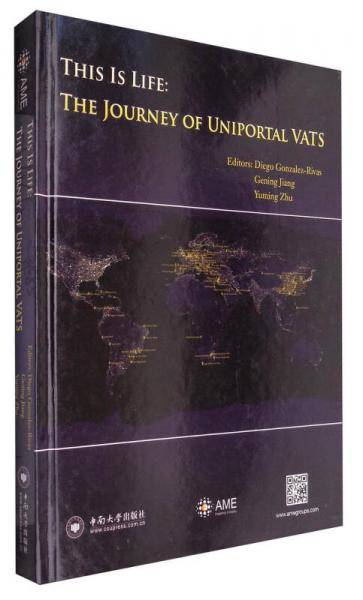
After many years of no evolution in our specialty, momentum is again with us, thanks to the explosion of rrunimally invasive techniques maHng our specialty more interesting than ever. The future offers many changes for thoracic surgery, and the forces in play are complex and myriad. The modern technology and recent innovative techniques make this an incredibly exciting time for our specialty. One of the most significant of these advances from the patients perspective is the development of minimally invasive thoracoscopic surgery For the past several decades, the thoracotomy was considered the gold standard approach to primary non-small cell lung cancer. But this procedure was too aggressive: big incision spreading the ribs, anesthetic control with a double lumen tube, epidural, central venous catheter, arterialline and urinary catheter. Thanks to the improvements in technology and surgical instruments. Most of the thoracic surgical procedures can be performed by video-assisted thoracoscopic surgery (VATS), therefore resulting in less pain, shorter hospital stay and with excellent surgical outcomes. The progress ofVATS is an ongoing development and challenges to the role of a VATS major resections will never cease to emerge. The information available on Internet, live surgery events and experimental courses has contributed to the rapid learning of minimally invasive surgery during the last decade. While initially slow to catch on, the traditional multi-port approach has evolved into a single incision approach (uniportal VATS) that mimics open surgical vantage points wlule utilizing a non-rib-spreading small incision. The early period of uniportal VATS development was focused on minor procedures until the second phase uniportal VATS started in 2010 with the development of the technique for major pulmonary resections.The creation of specific uniportal VATS programs in high volume centers, like the Shanghai pulmonary hospital
阅读更多
-
单孔胸腔镜手术环球之旅(英文版)
-
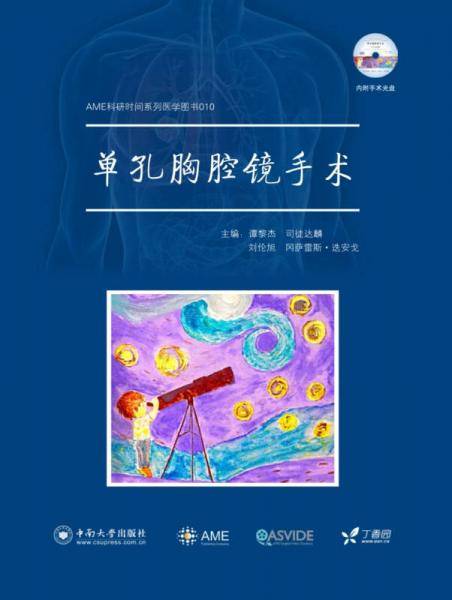
AME科研时间系列医学图书010 单孔胸腔镜手术
-
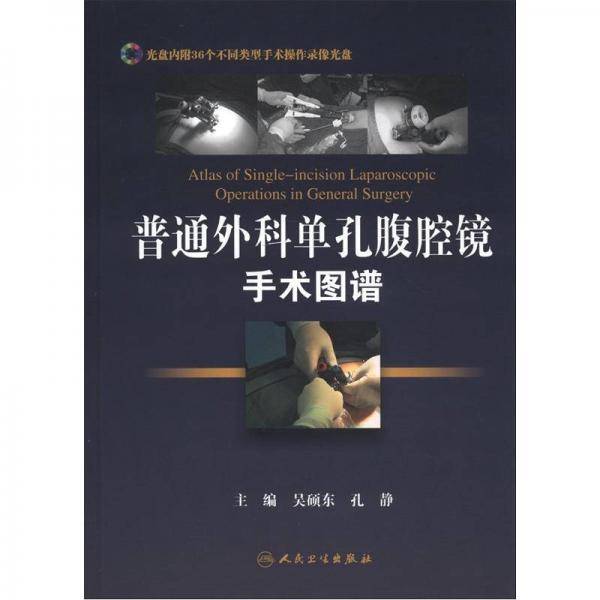
普通外科单孔腹腔镜手术图谱
-
胸腔镜手术技术精要

-
胸腔镜和纵隔镜手术图谱
-
单孔胸腔镜解剖性肺段切除手术学 [AME外科时间系列图书] 中南大学出版社
![单孔胸腔镜解剖性肺段切除手术学 [AME外科时间系列图书] 中南大学出版社](https://image1.hi-books.com/fd333f9c-738a-11ec-810c-0e5fb90de6a9.jpg?imageView2/0/w/300/h/300/q/75)
-
环球咖啡之旅

-
C++之旅(英文版)