漫游鲸二手书店
淘二手好书+回收闲置图书
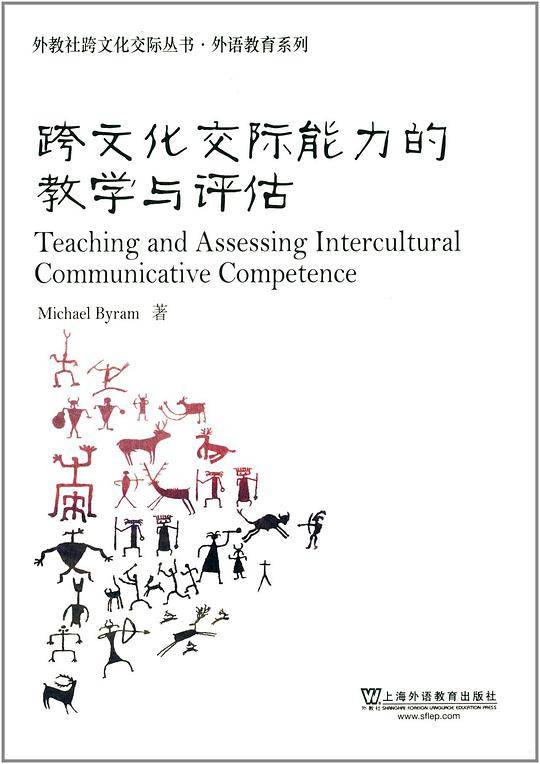
跨文化交际能力的教学与评估
(英)拜拉姆(Michael Byram) | 上海外语教育出版社
ISBN:9787544635424
原价: ¥18.00
销售价:¥2.86元
参与书籍回收后,可享更低价格
分类
英语学术著作
作者
(英)拜拉姆(Michael Byram)
出版社
上海外语教育出版社
图书简介
Life in the contemporary world brings almost everybody into contact with people ofother languages and cultures. Foreign and second language teaching has evolved tomeet the challenges of the twenty-first century by putting a new emphasis on learningfor communication, or communicative competence. This book argues that a furtherevolution is required, to take account Of the affective and cognitive effects of engaging with otherness, of encountering people of different cultural identities and socialvalues and behaviours. In other words, language learners need to acquire interculturalcompetence too. Linguistic competence and intercultural competence are two dimensions of intercultural communicative competence.
阅读更多
相关推荐

更多低价好书购买/书籍回收

扫码访问微信小程序